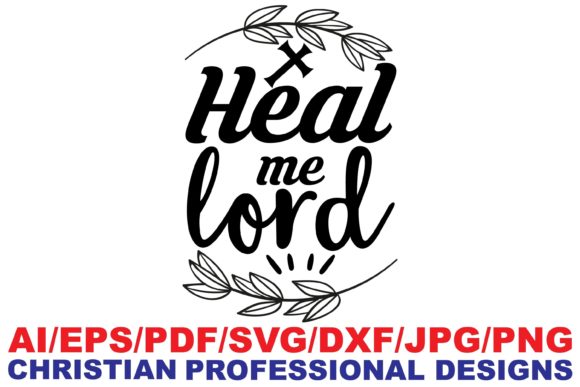
Heal Me Lord Embroidery Design Review
As a designer who has spent years turning digital files into tangible, stitched masterpieces, I approach every new download with a mix of excitement and skepticism. The market is flooded with generic clip art and poorly digitized text that looks messy once it hits the hoop. Today, I am evaluating a specific design titled Heal Me Lord. This piece falls under the Crafts and Graphics categories, but its true value lies in how it translates from a screen to a needle. Before I commit this design to a client's custom apparel or my own boutique inventory, I need to understand its soul, its structure, and its practical limitations.
The First Impression: Mood and Visual Personality
When I first opened the file for Heal Me Lord, the immediate feeling was one of quiet reverence mixed with modern simplicity. Unlike many religious designs that rely on heavy, cluttered borders or overly ornate flourishes, this piece seems to lean towards a clean, typographic approach. It creates a mood of personal reflection rather than loud proclamation. For an embroidery project, this is crucial because it suggests the design will age well and appeal to a wide demographic, from young adults looking for faith-based streetwear to older customers seeking meaningful nursery decor.
The layout appears balanced, likely utilizing a combination of satin stitches for the lettering to give it a smooth, raised finish, and perhaps some fill stitches if there are accompanying graphical elements. The visual personality feels professional yet approachable. It does not scream "commercial product"; instead, it whispers "handmade gift." This distinction is vital for Etsy sellers and small business owners who want their finished products to feel authentic and curated rather than mass-produced.
Real-World Application: From Screen to Stitch
Let me walk you through a scenario where I would actually use this design. Imagine I am preparing a collection of personalized gifts for a holiday sale. I decide to create a line of embroidered tote bags featuring uplifting messages. Heal Me Lord fits perfectly here. The phrase is concise enough to read clearly on a canvas bag without overwhelming the fabric, yet significant enough to make a statement when someone carries it to the grocery store or church.
However, the versatility extends far beyond tote bags. I see this design thriving on sweatshirt embroidery projects. A soft, heather-grey hoodie with this phrase stitched in white or cream thread would be a bestseller for anyone looking for comfortable, meaningful loungewear. It also works exceptionally well as baby embroidery on onesies or bibs. Parents often look for gentle, positive affirmations for their children, and a simple, elegant design like this avoids the cloying cuteness of standard baby graphics while still conveying love and protection.
For craft fair products, this design could be adapted into embroidered patches. If I were to stabilize the patch correctly and use a dense satin stitch border, Heal Me Lord would stand out beautifully on denim jackets or beanies. Furthermore, for those selling printable mockups or digital assets, this design offers a clean template that can be easily integrated into lifestyle photography to show potential buyers exactly what the finished product will look like.
Where Caution Is Required: Technical Limitations
While the aesthetic appeal is strong, a professional reviewer must address where this design might struggle. The primary concern for any machine embroidery design is the relationship between detail size and fabric texture. If Heal Me Lord contains tiny, intricate details within the letters, it may not hold up well on textured fabrics like terry cloth or chunky knits. The stitching could get lost in the weave, creating a muddy appearance that ruins the intended clarity.
Stretchy fabrics present another challenge. When embroidering on items like caps or fitted t-shirts, the tension of the fabric can distort the design if the stabilizer isn't chosen carefully. If the design features long, thin lines of running stitch, they might pucker on stretchy material unless a high-quality cut-away stabilizer is used underneath. Similarly, dark fabrics require a careful consideration of thread colors. If the design relies on subtle contrast, it might disappear against a black background unless a light-colored underlay or contrasting thread is selected.
I would also advise caution when attempting this design on small hoop sizes. If the lettering is tight or the spacing is narrow, a small hoop might force the fabric too close to the needle bar, leading to skipped stitches or thread breaks. Additionally, for products that need frequent washing, such as kitchen towels or aprons, the density of the stitches needs to be robust. If the design is too sparse, the threads might snag or unravel after a few wash cycles, damaging the reputation of the handmade product.
Impact on Product Value and Brand Consistency
The choice of design directly influences customer trust and perceived value. A sloppy digitization job can make even the most expensive fabric look cheap. Conversely, a well-executed design like Heal Me Lord elevates the entire item. When a customer receives a personalized gift with crisp, clear lettering and no loose threads, they associate that quality with the maker's brand. This builds loyalty and encourages repeat business for small shop owners.
In terms of commercial embroidery, consistency is key. If you plan to sell multiple variations of this design, ensuring that the stitch density and thread color palette remain consistent across different products helps build a cohesive brand identity. Heal Me Lord serves as a strong anchor for a line of faith-inspired merchandise, allowing you to expand into related themes without diluting your message.
Practical Designer Notes for Success
Before you load this file into your machine, there are several non-negotiable steps to ensure success. First, always test the design on scrap fabric that matches your final project in both weight and texture. This allows you to see how the stitch density interacts with the material and adjust the settings accordingly.
Review the stitch types closely. Identify where the satin stitch transitions to fill stitch or running stitch. Ensure that the hoop size accommodates the design without cutting off any edges. Check the thread colors to ensure they provide sufficient contrast against your chosen fabric. If the design includes small details, inspect them in a black and white mockup to confirm they won't vanish visually.
Don't forget the stabilizer. Using the wrong type can lead to puckering or sagging, regardless of how good the design is. Finally, verify the licensing terms. Are you allowed to sell finished items made with this design? Does the license cover commercial use for your crafter business? Confirm these details before listing your products on Etsy or other platforms to avoid legal issues later.
Ultimately, Heal Me Lord presents itself as a versatile and emotionally resonant option for designers and makers. It balances spiritual depth with modern simplicity, making it suitable for everything from holiday gifts to boutique branding. By paying attention to the technical nuances of embroidery and respecting the limits of the materials, you can transform this digital file into a cherished, high-quality finished product that speaks volumes about your craftsmanship.