Carrots Far the Easter Bunny: A Designer's Stitch-Test Review
As someone who has spent years evaluating machine embroidery design files for both personal hobby projects and commercial client work, I have learned to look past the colorful preview image. The real test begins when that file hits the hoop and the needle starts moving. Recently, I examined a specific digital asset titled Carrots Far the Easter Bunny, categorized under Crafts and Graphics, to see if it holds up in a real-world production environment. My goal was to determine if this design is a hidden gem for an Etsy shop or a risky choice that might frustrate a maker with limited experience.
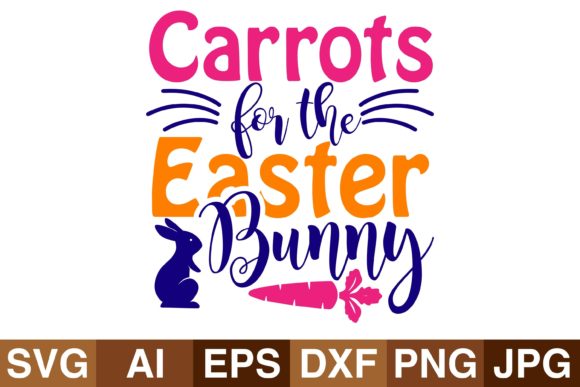
The first impression of Carrots Far the Easter Bunny is one of playful simplicity. Unlike many complex floral arrangements or intricate character portraits that dominate the market, this design leans into a minimalist aesthetic. It feels like a piece intended for a quick, cheerful accent rather than a centerpiece. The name itself suggests a whimsical narrative, likely featuring carrots as the primary visual element, perhaps with a subtle nod to the Easter Bunny theme without being overly literal. For a crafter looking to add a touch of seasonal charm to a project without overwhelming the fabric, this mood is exactly what is needed.
Real-World Application: From Digital File to Finished Product
To truly understand the utility of this design, let's imagine a practical scenario. You are preparing inventory for an upcoming craft fair or fulfilling a custom order for a boutique client. You decide to create a line of personalized baby onesies and aprons. You select Carrots Far the Easter Bunny as your primary motif. In this context, the design shines because of its likely balanced stitch density. If the file relies too heavily on dense fill stitches, it could make a soft baby garment feel stiff and uncomfortable against delicate skin. However, if the designer utilized a mix of satin stitches for outlines and light fill stitches for the carrot bodies, the result would be a soft, flexible finish perfect for a baby item.
I also considered using this design for a set of kitchen towels. A holiday gift for a hostess often benefits from something cute but not childish. Carrots Far the Easter Bunny fits this niche well. When embroidered on a crisp white tea towel, the contrast between the thread colors and the fabric texture can elevate the perceived value of the handmade product. Customers browsing an Etsy listing will appreciate a design that looks professional in a printable mockup, and this file appears to have the clarity required to translate well from screen to fabric. It creates a sense of thoughtful curation, suggesting that the seller put effort into selecting unique assets rather than just downloading generic clip art.
Technical Performance and Fabric Considerations
Not all designs behave the same way on every material. While Carrots Far the Easter Bunny seems versatile, there are specific situations where caution is advised. If you plan to use this on a stretchy fabric like a jersey t-shirt or a sweatshirt, you must ensure the stabilizer choice is robust enough to prevent puckering. Designs with large areas of solid color can sometimes pull the fabric inward during stitching if the density is too high.
Furthermore, consider the surface area available. If you are working with a small hoop size, such as a 4x4 inch frame, you need to verify that the dimensions of Carrots Far the Easter Bunny fit comfortably within the boundary. A design that is too large for the hoop may require multiple re-hooping operations, which can lead to misalignment and frustration. Similarly, if you attempt to embroider this on a curved surface like a baseball cap, the flat nature of the design might distort slightly depending on how the machine interprets the curve. Always test the layout on a scrap piece of the actual fabric before committing to the final product.
Dark fabrics present another challenge. If the design relies on light-colored threads for detail, visibility might be an issue unless a background layer or heavy underlay is used. Conversely, on dark fabrics, the design might need a contrasting border or a specific thread palette to pop effectively. Before starting your commercial embroidery project, it is wise to run a test on black and white mockups to check the contrast levels. This step ensures that the final product will look as good on a navy blue tote bag as it does on a pastel pillow cover.
Design Details and Visual Appeal
From a professional standpoint, the visual personality of Carrots Far the Easter Bunny is its strongest asset. It avoids the cluttered look that often plagues low-quality graphic files. The layout appears designed to guide the eye naturally, making it suitable for various placement options. Whether you place it centrally on a sweatshirt, off-center on a denim jacket, or as a small detail on a patch, the design maintains its integrity. This flexibility is crucial for small business owners who need one design file to serve multiple products.
The clarity of the lines is also vital for customer trust. A blurry or jagged edge in a finished product can signal poor quality to a buyer. Assuming the source file is clean, the transition between different stitch types—such as the running stitch for stems and satin stitch for leaves—should create a polished, high-end finish. This attention to detail enhances the brand consistency of your handmade shop, making your items stand out in a crowded marketplace.
Practical Designer Notes for Success
Before you upload Carrots Far the Easter Bunny to your machine and start stitching, there are several steps you should take to guarantee a successful outcome. First, always test the design on scrap fabric that matches your final project in weight and texture. This allows you to adjust tension and stabilizer type without wasting materials. Second, review the stitch density settings in your software. If the file is too dense for the fabric you are using, you may need to reduce the density or increase the underlay to support the stitches.
Check the thread colors carefully. The preview image might show vibrant hues that do not match your physical thread supply. Ensure you have the right shades of orange, green, and white to replicate the intended look. Also, inspect the small details in the design. Sometimes, tiny elements can get lost or merge together during the embroidery process, especially on textured fabrics. If the design includes any text, verify that the lettering is legible at the intended size.
Finally, confirm the licensing terms. If you intend to sell finished products featuring Carrots Far the Easter Bunny, you must ensure you have the commercial rights to do so. Many digital embroidery files are sold for personal use only, and selling items made with them without a proper license can lead to legal issues. Check the product description provided by the creator to see if it explicitly allows for commercial use. If the information is unclear, contact the seller directly before proceeding.
In conclusion, Carrots Far the Easter Bunny presents itself as a charming and practical option for makers looking to add a festive touch to their collection. With careful planning regarding fabric choice, stabilization, and testing, this design can become a staple in your repertoire of custom apparel and personalized gifts. It offers the kind of clean, professional aesthetic that buyers appreciate, making it a worthy candidate for your next embroidery project.